Ever feel like you're constantly rushing, stressed, and struggling to get everything done? You're not alone. High school is a whirlwind of classes, homework, extracurriculars, and social life. It's easy to feel overwhelmed and like you're constantly playing catch-up. But what if there was a way to take control and actually feel on top of your game? The secret weapon is a powerful daily routine.
A daily routine is like a roadmap for your day. It's a structured plan that helps you prioritize tasks, manage your time effectively, and stay focused. Imagine having a clear plan for your morning, a dedicated time for studying, and a consistent bedtime routine. This kind of structure can make a huge difference in your productivity, stress levels, and overall well-being.
The challenge is that sticking to a routine can be tough. Life throws curveballs, and it's easy to fall off track. But don't worry – this blog post is here to help! We'll explore practical tips and strategies to create a daily routine that works for you, helps you stay consistent, and unlocks your full potential. Get ready to ditch the chaos and embrace the power of a structured day!
Before you start crafting the perfect daily routine, it's crucial to understand yourself. Think of it like building a custom-made outfit – you need to know your measurements and style preferences! The same goes for your routine. It needs to fit your unique needs and preferences.
How to Get to Know Yourself:
- Track Your Energy Levels: Notice when you feel most alert and focused throughout the day. Are you a morning person who thrives before lunch? Or do you hit your stride in the afternoon or evening? Keep a journal for a week, noting your energy levels at different times.
- Experiment with Work Styles: Do you prefer working in quiet spaces or with background noise? Do you focus better with short bursts of work or longer stretches? Try different study environments and work methods to see what works best for you.
- Identify Your Peak Productivity Times: This is the time when you're most focused, creative, and efficient. For example, maybe you're a morning person who can ace your math problems before school, or maybe you're a night owl who excels at writing essays after dinner. Once you know your peak productivity times, schedule your most demanding tasks during those periods.
The Power of Your Chronotype:
You've probably heard of "morning people" and "night owls." This is related to your chronotype, which is your natural sleep-wake cycle. Knowing your chronotype can help you design a routine that aligns with your body's natural rhythm. If you're a morning person, you might benefit from an early wake-up time and an earlier bedtime. If you're a night owl, you might find it more productive to stay up later and sleep in a bit. Don't try to force yourself into a routine that doesn't match your natural tendencies. Embrace your chronotype and work with it, not against it!
Now that you know yourself better, it's time to build your own personalized power routine. Think of it as a blueprint for maximizing your time and energy. Here's a breakdown of key elements:
Morning Ritual: Start your day with a routine that sets you up for success. This might include:
- Wake-up time: Set a consistent wake-up time, even on weekends, to regulate your sleep-wake cycle. This could be 6:30 AM if you're a morning person, or 8:00 AM if you're a night owl.
- Exercise: Even a short workout, like a 15-minute run or yoga session, can boost your energy, focus, and mood.
- Healthy Breakfast: Fuel your brain with a nutritious breakfast like oatmeal with berries, yogurt with granola, or a whole-wheat toast with avocado. Avoid sugary cereals or skipping breakfast altogether, as this can lead to energy crashes later in the day.
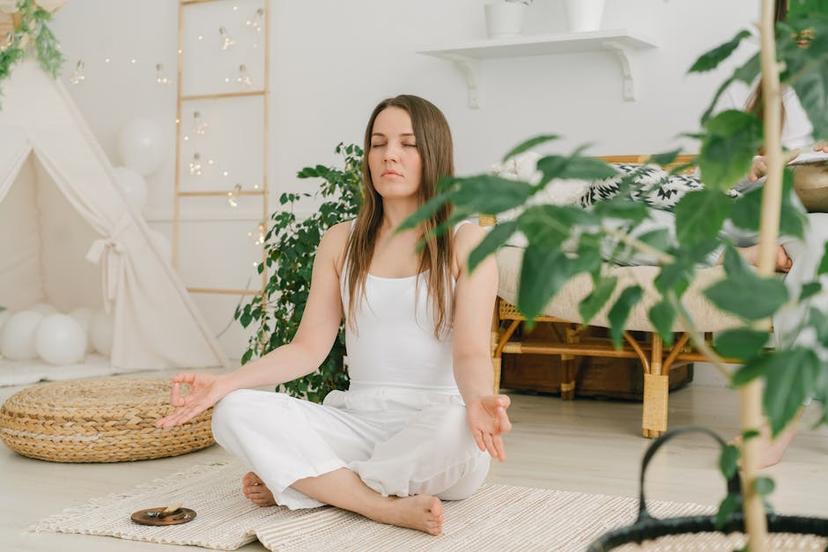
- Mindfulness Practices: Start your day with a few minutes of meditation, deep breathing, or journaling to calm your mind and set a positive tone. Apps like Headspace or Calm can guide you through simple mindfulness exercises.
Focused Work Blocks: These are dedicated time slots for tackling your most important tasks.
- Time Management Techniques: Use a planner or time management app to schedule your work blocks and break down large tasks into smaller, manageable chunks. Kyros.AI's Roadmap Planning module can be a valuable tool here, helping you plan your courses and extracurricular activities in a way that maximizes your time and energy.
- Pomodoro Method: This popular technique involves working for 25 minutes, then taking a 5-minute break. Repeat this cycle four times, then take a longer break. This helps you stay focused and avoid burnout.
- Minimizing Distractions: Turn off notifications on your phone, close unnecessary tabs on your computer, and find a quiet study space to minimize distractions.
Breaks and Recharge: It's crucial to take breaks throughout the day to avoid mental fatigue and maintain focus.
- Importance of Rest: Step away from your work every hour or so for a few minutes to rest your eyes, stretch, and clear your head.
- Movement: Get up and move around every 30-60 minutes. Take a short walk, do some stretches, or even just dance around your room.
- Social Interaction: Connect with friends, family, or classmates during your breaks. Social interaction can boost your mood and help you feel refreshed.
Evening Wind-Down: End your day with a relaxing routine that prepares you for a good night's sleep.
- Relaxation Techniques: Engage in calming activities like reading, listening to music, or taking a warm bath.
- Preparing for Sleep: Create a relaxing bedtime routine that signals to your body that it's time to wind down. This might include dimming the lights, taking a warm shower, and reading a book.
- Disconnecting from Technology: Put away your phone and computer at least an hour before bed to avoid the blue light emitted from screens, which can interfere with your sleep.
Remember, this is just a framework. Feel free to customize it to fit your individual needs and preferences. The key is to find a routine that works for you and helps you achieve your goals. Experiment, adjust, and don't be afraid to make changes along the way. With a little effort, you can unlock your productivity and create a more fulfilling and balanced life.
Creating a powerful daily routine is like building a muscle – it takes time and effort. Don't expect to become a productivity guru overnight! Start small and gradually add elements to your routine. For example, instead of trying to wake up at 6:00 AM every day, start by waking up 15 minutes earlier than usual for a week. Once that feels comfortable, add another 15 minutes. This gradual approach makes it easier to adjust and avoid feeling overwhelmed.
Life is unpredictable, so be flexible and adjust your routine as needed. Maybe you have a big test coming up and need to dedicate more time to studying. Or maybe you have a family dinner and need to shift your evening schedule. That's okay! Don't be afraid to make changes to your routine to accommodate your changing needs.
Tracking your progress is essential for staying motivated. Keep a journal or use a productivity app to track your daily accomplishments. Celebrate your successes, no matter how small they may seem. Did you stick to your morning routine for a whole week? Did you finish a challenging assignment on time? Give yourself a pat on the back! Positive reinforcement helps you stay on track and reinforces good habits.
Finally, don't be afraid to ask for support! Talk to your friends, family, or a trusted teacher or counselor about your goals and your routine. They can offer encouragement, accountability, and helpful tips. You can also join study groups or online communities dedicated to productivity and time management. Surrounding yourself with supportive people can make a big difference in your journey to unlocking your productivity.
Let's get real – everyone's different, and so are their routines. What works for one person might not work for another. The key is to find a routine that fits your unique lifestyle and goals.
- The Athlete: Imagine Sarah, a varsity soccer player who needs to balance intense training with her academics. Her routine might look like this:
- Morning: Wake up early for a quick workout, followed by a healthy breakfast. She then heads to school, focusing on her most demanding classes in the morning when her energy is high. After school, she has soccer practice, followed by a quick snack and a dedicated study session. Before bed, she stretches and reads a book to unwind.
- The Creative Writer: Meet David, a budding novelist who thrives on late nights and quiet inspiration. His routine might look like this:
- Morning: He wakes up later, allowing himself time to relax and get creative juices flowing. He spends the morning working on his writing, taking breaks for walks or listening to music. He then tackles his schoolwork in the afternoon, leaving the evenings free for more writing and socializing with friends.
- The Tech-Savvy Gamer: Let's say you're like John, who loves gaming but also wants to excel in his classes. His routine might involve:
- Morning: He wakes up early and gets his schoolwork done before the day gets busy. He then allows himself a few hours of gaming in the afternoon, followed by a healthy dinner and more schoolwork. He finishes the day with a relaxing evening routine to prepare for bed.
These are just a few examples, and there are countless other ways to structure your day. The important thing is to find a routine that works for you, helps you stay focused, and allows you to achieve your goals. Don't be afraid to experiment and make adjustments along the way! Remember, there's no one-size-fits-all approach to creating a powerful routine. It's all about finding what works best for you and your unique needs.
You've learned how to create a powerful daily routine that works for you, boosting your productivity and reducing stress. Remember, a routine is like a roadmap for your day, helping you stay focused and achieve your goals. It's about understanding your unique needs and preferences, and then building a structure that supports your success.
Don't be afraid to experiment and make adjustments along the way. Start small, track your progress, and celebrate your wins. Remember, you're not alone in this journey. Talk to friends, family, or a trusted counselor for support and encouragement.
Ready to unlock your productivity and create a more fulfilling high school experience? Kyros.AI can be a valuable resource for you, offering features like My Portfolio to help you track your progress, Roadmap Planning to help you stay organized, and Expert Guidance through webinars, programs, and 1:1 sessions with educators. With a little effort and dedication, you can create a daily routine that helps you thrive in high school and beyond.