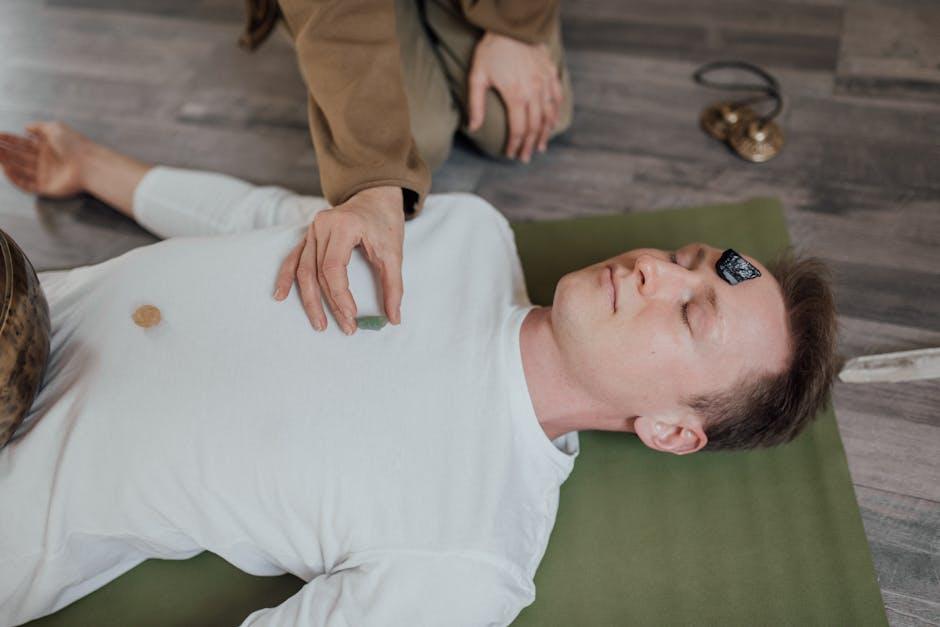
Ever feel your heart pounding, your palms sweating, and your mind racing just before a big test? You're not alone! Test anxiety is a common struggle for many students, and it can seriously impact your performance. But there's good news: mindfulness can be a powerful tool to help you overcome those anxious feelings and perform your best.
This blog post will guide you through simple mindfulness techniques that you can use to manage test anxiety. We'll explore how mindfulness can help you stay calm, focused, and confident during exams, so you can unleash your full potential. Let's dive in!
Test anxiety is a normal reaction to pressure, but when it gets out of control, it can make it hard to focus and perform well. It's like your body is sending you a signal that something's wrong, and it's trying to protect you. You might feel your heart racing, your palms sweating, and your stomach churning. You might even have trouble concentrating or remembering what you studied. These are all signs of your body's "fight or flight" response kicking in, which is meant to help you deal with danger. But in the case of a test, it's actually making things worse!
There are a few common reasons why test anxiety happens. Maybe you're worried about failing the test and disappointing your parents or teachers. Maybe you feel pressure from your friends to get good grades. Or maybe you just haven't studied enough and you're feeling unprepared. Whatever the reason, it's important to remember that you're not alone. Many students experience test anxiety, and there are things you can do to manage it.
Mindfulness is all about paying attention to the present moment without judgment. It's like taking a mental break from all the worries and anxieties swirling in your head and simply focusing on what's happening right now. Think of it like tuning into your internal radio station, but instead of listening to the chatter of your thoughts, you're focusing on your breath, your body, and the sensations around you.
So how does mindfulness help with test anxiety? It's like a superpower that helps you manage stress and anxiety in a few key ways. First, it helps you focus your attention. When you're mindful, you're less likely to get caught up in your worries and anxieties, which can distract you from the task at hand. Imagine you're trying to solve a math problem, but your mind keeps drifting to the fact that you might get the answer wrong. Mindfulness helps you bring your attention back to the problem and focus on finding the solution.
Second, mindfulness helps you regulate your emotions. When you're feeling anxious, your body goes into overdrive, and you might feel your heart racing, your palms sweating, and your breath becoming shallow. Mindfulness helps you become aware of these physical sensations without getting overwhelmed by them. It's like having a calm observer inside you who can notice these feelings without getting swept away by them. You can then use techniques like deep breathing to calm your body down.
Finally, mindfulness helps you cultivate a sense of calm. By focusing on the present moment, you can create a sense of peace and serenity, even in the midst of stress. This can be especially helpful during a test, when you need to stay calm and focused to perform your best. Imagine yourself sitting in the exam room, feeling the weight of the test on your shoulders. By practicing mindfulness, you can create a mental space of calm, allowing you to approach the test with a clear mind and a sense of confidence.
Now that you understand the power of mindfulness, let's dive into some simple techniques you can use to manage test anxiety. These techniques can be practiced before, during, and even after your test!
1. Deep Breathing: Deep breathing is a powerful tool for calming your nervous system. When you're stressed, your breathing becomes shallow and rapid. Deep breathing helps slow down your heart rate and relax your muscles. Here's how to do it:
- Find a comfortable position: Sit or lie down in a relaxed position.
- Focus on your breath: Close your eyes and gently bring your attention to your breath. Notice the rise and fall of your chest and abdomen.
- Inhale slowly and deeply: Breathe in slowly through your nose, filling your lungs with air. Count to four as you inhale.
- Exhale slowly and completely: Breathe out slowly through your mouth, releasing all the air from your lungs. Count to four as you exhale.
- Repeat for several minutes: Continue this deep breathing pattern for at least 5 minutes, or until you feel calmer.
Example: Before a big test, try taking a few minutes to do some deep breathing in the hallway or bathroom. This can help you calm down and refocus before you enter the exam room.
2. Body Scan Meditation: This technique helps you become aware of your body and any tension you might be holding. By focusing on different parts of your body, you can release physical stress and promote relaxation.
- Find a comfortable position: Sit or lie down in a relaxed position.
- Start with your toes: Bring your attention to your toes. Notice any sensations you feel, such as warmth, tingling, or pressure.
- Move slowly up your body: Gradually move your attention up your body, focusing on your feet, ankles, calves, knees, thighs, and so on. Pay attention to any sensations you feel in each part of your body.
- Notice without judgment: Simply observe the sensations without judging them as good or bad. Just acknowledge them and let them be.
- Repeat for several minutes: Continue scanning your body for several minutes, noticing any areas of tension and gently releasing them.
Example: If you're feeling anxious during a test, take a few moments to do a quick body scan. This can help you release any physical tension and bring your focus back to the present moment.
3. Mindful Walking: Mindful walking is a great way to ground yourself in the present moment. It helps you become aware of your surroundings and your body's movements, which can help to reduce anxiety.
- Find a quiet space: Find a quiet place where you can walk without distractions.
- Focus on your steps: As you walk, pay attention to the sensation of your feet hitting the ground. Notice the rhythm of your steps and the movement of your body.
- Engage your senses: Be aware of your surroundings. Notice the sounds you hear, the sights you see, and the smells you smell.
- Walk with intention: Walk slowly and deliberately, focusing on each step.
- Repeat for several minutes: Continue walking mindfully for a few minutes, allowing yourself to become fully present in the moment.
Example: If you're feeling overwhelmed before a test, take a few minutes to walk around the schoolyard or hallway. Focus on your steps, your surroundings, and your breath. This can help you calm your nerves and refocus your mind.
4. Positive Self-Talk: Negative thoughts can fuel anxiety and make it harder to perform well. Positive self-talk can help you challenge those negative thoughts and replace them with more supportive and encouraging ones.
- Identify negative thoughts: Pay attention to the thoughts that pop into your head, especially those that are negative or self-critical. For example, "I'm going to fail this test," or "I'm not smart enough."
- Challenge those thoughts: Once you identify a negative thought, challenge it. Ask yourself, "Is this thought really true?" or "Is there another way to look at this situation?"
- Replace with positive affirmations: Replace the negative thought with a positive affirmation. For example, "I am capable of doing well on this test," or "I am confident in my abilities."
- Practice regularly: The more you practice positive self-talk, the more it will become a habit.
Example: If you find yourself thinking, "I'm going to fail this math test," try replacing that thought with "I've studied hard and I'm prepared to do my best." Repeat this positive affirmation to yourself several times before and during the test.
By practicing these mindfulness techniques, you can learn to manage test anxiety and perform your best. Remember, it's all about taking a moment to breathe, focus, and be kind to yourself. You've got this!
You can make mindfulness a part of your daily study routine, just like you would schedule in time to review your notes. Try incorporating short meditation breaks into your study sessions. Even just 5 minutes of focused breathing or a body scan can help you relax and clear your mind. This will make your study time more effective and help you retain information better.
Imagine you're studying for a history test and you're feeling overwhelmed by all the dates and names you need to remember. Instead of getting stressed, take a few minutes to sit quietly, close your eyes, and focus on your breath. Notice the rise and fall of your chest and abdomen. This simple practice can help you calm your mind and refocus your attention on your studies.
Another helpful tip is to practice mindfulness techniques during mock tests. This will help you build confidence and reduce anxiety when you're actually taking the real test. Before you start a practice test, take a few moments to do some deep breathing or a body scan. This will help you relax and approach the test with a clear mind. During the test, if you find yourself getting anxious, take a few seconds to focus on your breath or scan your body for tension. This will help you calm down and refocus on the task at hand.
- Plan ahead: Make sure you're well-prepared for the test. This means studying effectively and getting enough sleep the night before.
- Practice relaxation techniques: In addition to mindfulness, other relaxation techniques, such as progressive muscle relaxation or listening to calming music, can also help manage test anxiety.
- Talk to someone: If you're struggling with test anxiety, don't hesitate to talk to a trusted adult, such as a counselor, teacher, or parent. They can offer support and guidance.
- Use Kyros.AI: Kyros.AI offers a variety of resources that can help you prepare for tests and manage anxiety. For example, you can use the Courses module to watch video lessons for specific subjects, or the Tests module to practice for standardized tests like the PSAT, SAT, ACT, AP, etc. Kyros also offers Expert Guidance through Sunday Webinars, Sprint Programs, SSM Counseling, and Future You lab Premium Programs.
By practicing mindfulness and utilizing resources like Kyros.AI, you can conquer test anxiety and perform your best. Remember, you've got this!