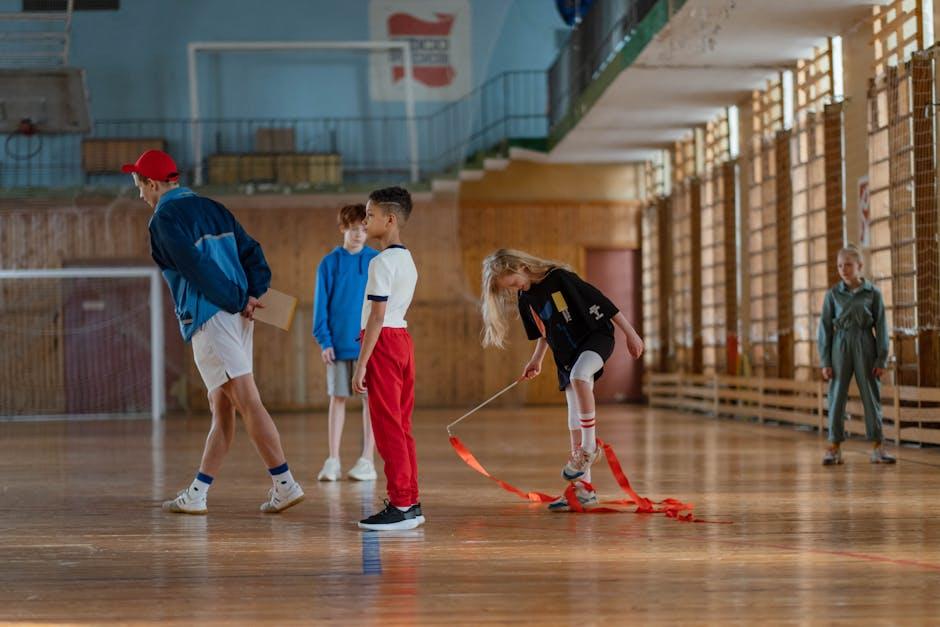
You're probably thinking about your classes, grades, and maybe even college applications. But have you ever considered how the things you do outside of school can actually make you a better student, friend, and even future employee? That's where extracurriculars come in!
Think of "unlocking your potential" as finding all the amazing things you're capable of, but might not even realize yet. Extracurriculars are like keys that open up those hidden doors. They let you explore new interests, try new things, and discover skills you never knew you had. We'll dive into how activities like sports, clubs, volunteering, and even hobbies can help you build unique skills that will set you apart in the long run.
You might be thinking, "I'm here for the grades, not to learn how to be a better person." But trust us, the skills you develop in extracurriculars are just as important as the knowledge you gain in class. These are called "soft skills," and they're basically the personality traits and abilities that make you a great teammate, communicator, and problem-solver. These skills are highly valued in both school and your future career.
Let's break it down:
- Communication: Ever felt nervous about speaking in front of a group? Joining a debate club, drama production, or even public speaking class can help you overcome that fear and become a confident communicator. Think about how valuable this is for presenting projects in class or even just explaining your ideas to your friends.
- Teamwork: Whether you're on a sports team, in a band, or part of a student government, extracurriculars teach you how to work effectively with others towards a common goal. You learn to listen to different perspectives, compromise, and support each other – all crucial skills for any group project or future workplace.
- Leadership: Being a leader doesn't mean you have to be the loudest person in the room. It's about taking initiative, inspiring others, and making decisions that benefit the group. Extracurriculars like student government, club leadership roles, or even organizing a fundraiser give you opportunities to practice these skills.
- Problem-solving: Life throws curveballs, and extracurriculars help you learn how to handle them. Think about a time when your team faced a challenge in a competition or a project didn't go as planned. You learned to identify the problem, brainstorm solutions, and work together to find a way forward.
- Time management: Juggling schoolwork, extracurriculars, and a social life is no easy feat. Learning to prioritize, set deadlines, and manage your time effectively is a skill you'll use throughout your life.
By engaging in extracurriculars, you're not just adding lines to your resume; you're developing valuable skills that will make you a more well-rounded individual, ready to tackle any challenge that comes your way.
Think about all the things you're curious about – maybe you love music, are fascinated by science, or have a passion for helping others. Extracurriculars are a fantastic way to dive deeper into these interests and discover new ones. Imagine joining the robotics club and realizing you have a knack for engineering, or volunteering at an animal shelter and finding a love for animal care.
It's important to try different activities, even if they seem a little outside your comfort zone. You might be surprised by what you enjoy! Maybe you've always been drawn to art but never had the chance to explore it. Taking a drawing class or joining the art club could open up a whole new world of creativity.
Extracurriculars can even lead to unexpected career paths. For example, a student who joined the debate team to improve their public speaking skills might discover a passion for law and decide to pursue a career in that field. Or, a student who volunteered at a local soup kitchen might find a calling to work in social services. The possibilities are endless!
You might be thinking, "Why should I care about extracurriculars? I just want to get good grades!" But hold on, extracurriculars are like secret weapons for your college applications and future career. They show colleges and employers that you're not just a bookworm – you're a well-rounded individual with skills and experiences that go beyond the classroom.
Think of it this way: your grades are like your academic report card, but extracurriculars are like your "life skills" resume. They demonstrate your commitment, initiative, and leadership – qualities that are highly valued in any field. Imagine two students with similar grades applying to the same college. One student only has good grades, while the other has good grades and years of experience volunteering at a local animal shelter. Who do you think stands out more?
Here's how to showcase your extracurriculars:
- Highlight your achievements: Did you lead a project, win an award, or make a significant contribution to your club or team? Be sure to mention these accomplishments in your college applications and resume. For example, instead of just saying "member of the debate team," you could say "Captain of the debate team, led the team to victory in regional competition."
- Quantify your impact: Whenever possible, use numbers to illustrate your achievements. Did you organize a fundraiser that raised $1,000? Did you volunteer for 200 hours at a local hospital? These details show colleges and employers the real-world impact you've made.
- Connect your experiences to your goals: Explain how your extracurricular activities relate to your academic interests and career aspirations. For example, if you're interested in studying medicine, volunteering at a hospital or participating in a health-related club can demonstrate your passion for the field.
- Use action verbs: Use strong verbs to describe your roles and responsibilities in your extracurricular activities. Instead of saying "helped with the school play," say "designed and built the set for the school play." This shows you were actively involved and took initiative.
By strategically showcasing your extracurricular experiences, you'll create a compelling narrative that highlights your unique skills and passions, making you a standout candidate for college and future opportunities.
Extracurriculars are more than just activities; they're opportunities to build relationships and expand your network. Think of it like this: you're not just joining a club, you're joining a community of people with shared interests. These connections can lead to incredible mentorship, collaboration, and even future opportunities.
Imagine joining the debate club and meeting a senior who's passionate about law. They could become your mentor, guiding you through college applications and offering valuable advice. Or, you might join the robotics club and collaborate with students from different grades on a challenging project, learning from each other's strengths and building lasting friendships.
These connections can also open doors to internships, research opportunities, and even job offers. For example, a student who volunteered at a local non-profit might meet a board member who's impressed by their dedication and offers them an internship. Or, a student who participated in a science fair might connect with a researcher who's looking for student assistants.
Extracurriculars are a powerful way to build a network of supportive individuals who can help you navigate your academic and career journey. So, get involved, make connections, and see where those relationships take you!
With so many options out there, it can be overwhelming to choose the right extracurriculars for you. Don't be afraid to explore different activities and see what resonates with you. Kyros.AI's Extracurriculars module can be a great resource for finding summer programs, clubs, community service opportunities, competitions, and research experiences that align with your interests.
Kyros.AI's My Portfolio module can also help you track your extracurricular activities and build a strong resume. You can record your experiences, highlight your achievements, and even generate a professional resume that showcases your skills and accomplishments.
Extracurriculars are more than just fun activities; they're a powerful tool for developing unique skills, exploring your passions, and unlocking your full potential. By stepping outside of the classroom and engaging in activities that interest you, you'll gain valuable soft skills, build a strong portfolio, and expand your network, all of which will set you apart in college applications and future career pursuits.
Don't be afraid to try new things and step outside of your comfort zone. You might discover hidden talents or passions you never knew you had. Whether it's joining a sports team, volunteering at a local organization, or pursuing a creative hobby, embrace the opportunity to learn, grow, and make a difference.
So, what are you waiting for? Take that first step towards unlocking your potential. Find an activity that sparks your interest, get involved, and see where it takes you. You might be surprised by the amazing things you're capable of achieving!