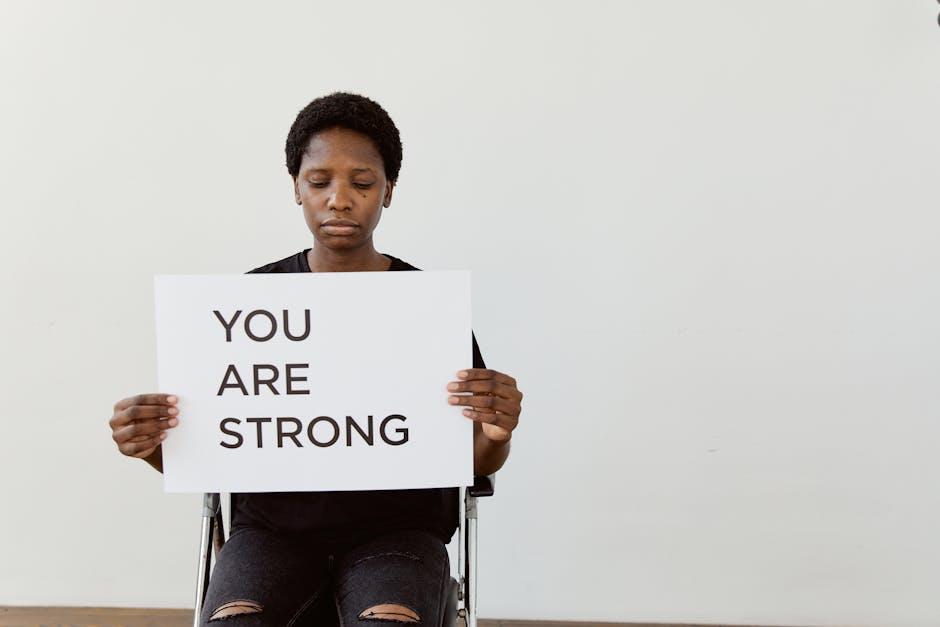
Ever feel like you're holding back, unsure of yourself, or just not reaching your full potential? You're not alone! We all have those moments of self-doubt, but the good news is that confidence is a muscle you can build. It's about believing in yourself, knowing your worth, and having the courage to go after what you want.
Confidence isn't just about feeling good; it's essential for success in all areas of your life. Imagine confidently asking your crush to the school dance, standing up for yourself in a debate, or nailing that big presentation. Confidence gives you the courage to take risks, pursue your passions, and build strong relationships. It's the key to unlocking your full potential and living a life you love.
This guide will take you on a journey of self-discovery, helping you build confidence in all aspects of your life. We'll explore practical tips for overcoming self-doubt, developing a positive self-image, and mastering communication skills. Get ready to unlock your inner confidence and become the best version of yourself!
The first step to building confidence is understanding yourself better. It's like figuring out the map of your own mind and personality. Knowing your strengths and weaknesses is crucial because it helps you focus on what you're good at and work on areas where you can improve. Imagine you're a video game character; you wouldn't try to level up your strength if you're a magical wizard, right? It's the same with personal growth.
There are lots of ways to discover your strengths and weaknesses. One way is through self-reflection. Take some quiet time to think about your hobbies, what you enjoy doing, and what comes naturally to you. Maybe you're a natural at organizing, a great listener, or a creative writer. Ask yourself what you excel at in school, what you're good at with friends, or what you're passionate about.
You can also get feedback from others. Ask your friends, family, or teachers what they think you're good at. They might see things in you that you don't even realize! For example, maybe your friends think you're hilarious, but you don't see yourself that way.
Finally, Kyros.AI's My Portfolio module can be a valuable tool for understanding your strengths and weaknesses. You can record your school profiles, including courses, extracurricular activities, and achievements. This information can help you identify patterns and areas where you excel or need improvement.
Once you have a better understanding of your strengths, you can use them to boost your confidence. If you're good at public speaking, volunteer to give a presentation in class. If you're a great artist, share your work with others. By focusing on your strengths, you'll feel more confident and capable.
Acknowledging your weaknesses is just as important. It's okay to not be perfect at everything! Instead of getting discouraged, use your weaknesses as opportunities for growth. If you struggle with math, get extra help from your teacher or a tutor. If you're shy, challenge yourself to start conversations with new people. By working on your weaknesses, you'll become a more well-rounded and confident individual.
Now that you've got a better understanding of yourself, it's time to set some goals! Think of goals as your roadmap to becoming the best version of yourself. But don't just pick any random goals; make sure they're realistic and align with your values and aspirations. For example, if you love music, maybe your goal is to learn to play an instrument or join the school band. If you're passionate about helping others, maybe you want to volunteer at a local charity.
To make your goals even more powerful, use the SMART goal method:
- Specific: Instead of saying "I want to be better at math," try "I want to improve my math grade from a C to a B by the end of the semester."
- Measurable: How will you know if you've achieved your goal? Set specific metrics, like improving your grade, completing a certain number of volunteer hours, or learning a specific number of songs on your instrument.
- Achievable: Choose goals that are challenging but attainable. Don't set yourself up for failure by aiming too high. Start small and gradually increase the difficulty as you progress.
- Relevant: Make sure your goals are important to you and align with your overall values and aspirations. Don't just chase goals because everyone else is doing it.
- Time-bound: Set a deadline for your goals. This will help you stay motivated and on track. For example, "I want to learn to play five songs on the guitar by the end of summer."
Once you have your SMART goals, it's time to break them down into smaller, manageable steps. Just like building a house, you don't start by putting up the roof. You start with the foundation. The same goes for your goals. Instead of trying to achieve everything at once, focus on small, achievable steps that will lead you to your ultimate goal.
Let's say your goal is to improve your math grade. You could break it down like this:
- Week 1: Review notes from the last unit and practice problems.
- Week 2: Attend extra help sessions with your teacher.
- Week 3: Form a study group with classmates.
- Week 4: Take a practice test to assess your understanding.
By breaking down your goals into smaller steps, you'll feel less overwhelmed and more motivated to take action. Remember, progress is a journey, not a destination! Celebrate your small wins along the way and keep pushing yourself to reach your full potential.
Kyros.AI's Roadmap Planning module can be a valuable tool for setting and achieving goals. This module allows you to plan your courses, extracurricular activities, and other milestones with the guidance of your counselor. It can help you stay organized, track your progress, and ensure that you're on the right path to achieving your goals.
You know that little voice in your head that sometimes tells you you're not good enough, or that you're going to fail? That's negative self-talk, and it can be a real confidence killer. It's like having a grumpy critic constantly whispering doubts in your ear, making it hard to believe in yourself and reach your goals. Imagine trying to play a game with someone constantly telling you you're going to lose - it's pretty discouraging, right? Negative self-talk can be just as discouraging.
So how do you silence that inner critic? One powerful strategy is cognitive reframing. This means taking those negative thoughts and turning them into more positive and realistic ones. For example, if you catch yourself thinking "I'm going to fail this test," try reframing it as "I'm going to do my best and learn from this experience." It's about challenging those negative thoughts and replacing them with more helpful and encouraging ones.
Another useful technique is positive affirmations. These are short, powerful statements that you repeat to yourself to boost your confidence and self-esteem. Think of them as positive pep talks for your mind. For example, you could say "I am capable and worthy," "I am strong and resilient," or "I believe in myself." The key is to repeat these affirmations regularly, especially when you're feeling down or doubting yourself.
Remember, you are not your thoughts! Just because you have a negative thought doesn't mean it's true. Practice self-compassion, which means treating yourself with kindness and understanding, just like you would treat a friend. Focus on your strengths and accomplishments, and celebrate your successes, no matter how small they may seem. You've got this!
Think of habits like building blocks for your confidence. They might seem small, but over time, they shape who you are and how you feel about yourself. Imagine you're building a tower with blocks – each block represents a positive habit, and the taller the tower, the stronger and more confident you feel.
So, what are some confidence-boosting habits you can add to your life?
1. Get Moving: Exercise isn't just about getting fit; it's a powerful confidence booster. When you exercise, your brain releases endorphins, which have mood-boosting effects. Plus, achieving fitness goals gives you a sense of accomplishment and makes you feel stronger and more capable. It doesn't have to be anything extreme – a brisk walk, a dance class, or even just 10 minutes of yoga can make a difference.
2. Mindful Moments: Mindfulness is about being present in the moment and paying attention to your thoughts and feelings without judgment. It's like taking a mental break from the constant noise and stress of everyday life. Even a few minutes of mindfulness each day can help you manage stress, improve focus, and boost your self-awareness. Try practicing deep breathing exercises, meditation, or simply taking a few minutes to enjoy the sights and sounds around you.
3. Fuel Your Body: What you eat affects how you feel, both physically and mentally. Eating a healthy diet gives you the energy and nutrients you need to function at your best. It also helps you feel more confident and in control of your well-being. Focus on eating plenty of fruits, vegetables, whole grains, and lean protein. Limit processed foods, sugary drinks, and excessive caffeine.
4. Consistency is Key: The magic of habits lies in consistency. Just like practicing an instrument or studying for a test, building positive habits takes time and effort. The key is to make them a regular part of your routine. Start small and gradually increase the frequency and intensity. For example, you could start with 10 minutes of exercise each day and gradually increase it to 30 minutes. Or, you could start with 5 minutes of mindfulness each morning and work your way up to 10 minutes.
5. Create a Routine: Routines provide structure and predictability to your day, which can reduce stress and boost your confidence. Having a set schedule for studying, eating, exercising, and sleeping helps you stay organized and focused. It also gives you a sense of control over your life, which can be empowering. Experiment with different routines to find what works best for you. Don't be afraid to adjust your routine as your needs and priorities change.
Remember, building positive habits and routines is a journey, not a race. Be patient with yourself, celebrate your progress, and don't be afraid to ask for support from friends, family, or a school counselor. With time and effort, you can develop habits that will help you unlock your inner confidence and live a more fulfilling life.
You might be thinking, "How can I do all this on my own?" That's where support and mentorship come in. Personal growth isn't always a solo mission! It's often about having a team in your corner, cheering you on and helping you stay on track.
Think about your friends, family, or teachers. They can be amazing sources of encouragement and advice. Maybe you have a friend who's great at organizing, or a family member who's always positive. Lean on them! Talk to them about your goals, your struggles, and your triumphs. Their support can make a huge difference.
Mentorship is another powerful tool for personal growth. A mentor is someone who's been there, done that, and can offer guidance and insights based on their own experiences. They can help you navigate challenges, hold you accountable, and inspire you to keep pushing forward. Maybe your older sibling has aced their college applications, or your neighbor is a successful entrepreneur. Don't be afraid to ask for their advice and guidance!
Kyros.AI's Educator Network provides access to a wide range of educators who can offer mentorship and support. You can connect with educators in various fields and schedule 1:1 sessions to get personalized guidance and advice. This network can be a valuable resource for seeking support and inspiration.
Even if you don't have a formal mentor, you can find inspiration and support from people around you. Look for role models in your community, like teachers, coaches, or community leaders. Read books or watch videos by people who inspire you. Surround yourself with people who believe in you and want to see you succeed. Remember, you're not alone on this journey!
It's important to celebrate your milestones, no matter how small they may seem. Think about it: If you finally finished that challenging math problem, or nailed that difficult guitar riff, give yourself a pat on the back! Celebrating your successes, big or small, helps you recognize your progress and builds your confidence. It's like giving yourself a little reward for all your hard work.
Remember, personal growth is a journey, not a destination. You're not going to be perfect overnight, and there will be times when you hit bumps in the road. It's okay to stumble, to make mistakes, and to feel discouraged sometimes. These setbacks are actually opportunities to learn and grow. Think of them as stepping stones on your path to becoming the best version of yourself.
Instead of getting discouraged by challenges, embrace them! They're a chance to learn something new, develop new skills, and become more resilient. For example, if you bombed a test, instead of getting down on yourself, use it as a chance to figure out what went wrong and how you can do better next time. Maybe you need to study differently, or maybe you need to ask your teacher for extra help. Every challenge is an opportunity to learn and grow, so don't be afraid to face them head-on!
Kyros.AI's Expert Guidance features, such as Sunday Webinars, Sprint Programs, and SSM Counseling, can provide valuable support and guidance as you navigate your personal growth journey. These programs offer insights, strategies, and expert advice to help you overcome challenges and achieve your goals.
This guide has explored several key strategies for unlocking your inner confidence. We've emphasized the importance of understanding yourself, setting realistic goals, challenging negative self-talk, building positive habits, and seeking support from others. By embracing these principles, you can embark on a transformative journey of personal growth and empowerment.
Remember, confidence isn't a destination; it's a journey. It's about embracing your strengths, acknowledging your weaknesses, and continuously striving to become the best version of yourself. It's about believing in your ability to overcome challenges, achieve your goals, and live a life filled with purpose and fulfillment.
So, what are you waiting for? Take the first step on your journey of self-discovery and empowerment. Start by reflecting on your strengths and weaknesses, setting a few SMART goals, and incorporating some positive habits into your daily routine. Don't be afraid to ask for support from friends, family, or mentors. With dedication and perseverance, you can unlock your inner confidence and create a life you love. You've got this!