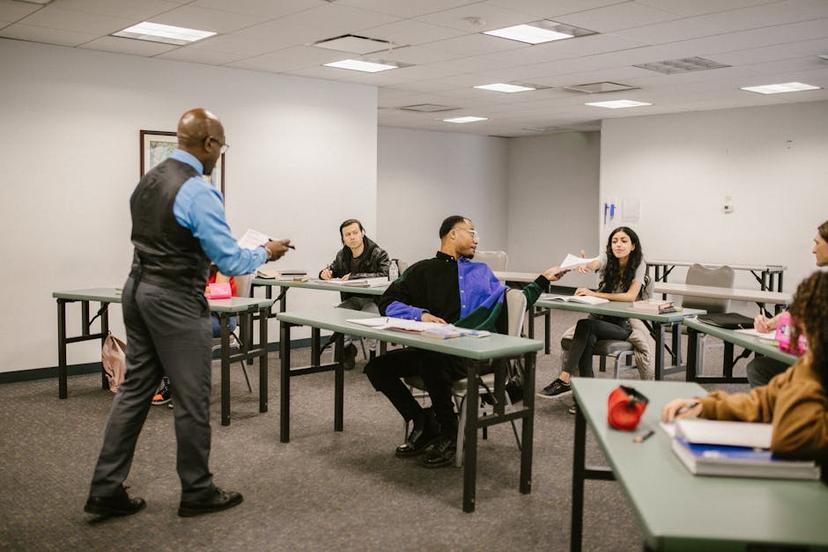
Navigating high school can be tough. Between academics, extracurriculars, social pressures, and the ever-present looming college applications, it's no surprise that stress levels are high. But it's important to remember that you're not alone in this journey. School counselors are here to support you, not just with college applications and course selection, but also with your mental well-being.
Think of your school counselor as a trusted guide, someone who can help you navigate the ups and downs of high school life. They're trained to listen without judgment, offer support, and connect you with resources that can help you thrive. Whether you're struggling with anxiety, feeling overwhelmed by deadlines, or just need someone to talk to, your school counselor is there for you.
School counselors wear many hats! They're not just there to help you with college applications, although they're great at that too. They're also your go-to people for a whole range of things, from figuring out your academic path to dealing with personal challenges.
Think of your school counselor as a confidential confidant. They're bound by professional ethics to keep your conversations private, so you can feel comfortable sharing your thoughts and feelings without fear of judgment. Building a trusting relationship with your counselor is key. It allows them to understand your needs and connect you with the right resources.
Here are some specific examples of how your school counselor can help:
- Feeling overwhelmed by stress? They can teach you stress management techniques like mindfulness or relaxation exercises.
- Having trouble resolving a conflict with a friend? They can help you develop communication skills and find a peaceful solution.
- Navigating a difficult life transition like a family move or a breakup? They can provide emotional support and help you adjust to change.
- Unsure about your future career path? They can help you explore different options, research careers, and develop a plan for the future.
- Need help researching colleges? Kyros.AI's Colleges feature can help you search for colleges based on your interests and preferences. You can also use Benchmark and Chancing to see how your profile stacks up against other applicants to those colleges.
- Want to explore different majors and careers? Kyros.AI's Majors and Careers feature can help you find the perfect fit based on your interests and personality.
- Looking for summer programs, clubs, or other extracurricular activities? Kyros.AI's Extracurriculars feature can help you find opportunities that align with your interests.
- Need help with your college application process? Kyros.AI's College and Applications module can help you manage your college list, track your application progress, and even generate your resume.
Remember, your school counselor is there to support you in any way they can. Don't hesitate to reach out, even if you're just not sure what you need. They're there to listen, offer guidance, and help you achieve your goals.
You might be surprised to learn that your school counselor is also a valuable resource for your mental health! They're trained to help you navigate the emotional ups and downs of high school, and they can connect you with resources to support your well-being.
Here's how your school counselor can help:
- Individual Counseling: If you're struggling with anxiety, depression, or other mental health concerns, your school counselor can provide individual counseling sessions. These sessions are confidential, so you can feel comfortable sharing your thoughts and feelings without fear of judgment. Your counselor can help you develop coping mechanisms, manage stress, and work through any challenges you're facing.
- Group Therapy: Sometimes, it's helpful to connect with others who are going through similar experiences. Your school counselor may offer group therapy sessions focused on specific topics like stress management, anxiety, or grief. These groups provide a safe space to share, learn from others, and build support networks.
- Referrals to External Professionals: If your mental health needs are more complex, your school counselor can refer you to external professionals like therapists, psychiatrists, or counselors. They can help you find the right resources and navigate the mental health system.
Early intervention is key! Don't wait until you're feeling overwhelmed to reach out for help. Your school counselor is there to support you throughout your high school journey, and they want to help you thrive.
Remember, your mental health is just as important as your physical health. Don't hesitate to reach out to your school counselor if you need support. They're there to listen, offer guidance, and help you navigate the challenges of high school.
It's totally normal to feel stressed or anxious in high school. Everyone goes through it! But sometimes, it can feel like you're the only one struggling, and that can be isolating. That's where your school counselor comes in. They're trained to understand what you're going through and create a safe space for you to talk about your feelings without judgment. Think of them like a guide who's been there, done that, and knows how to help you navigate the emotional rollercoaster of high school.
Remember, mental health is just as important as physical health. Just like you wouldn't hesitate to see a doctor if you were sick, don't hesitate to reach out to your counselor if you're feeling overwhelmed. Talking about your feelings isn't a sign of weakness; it's a sign of strength and self-care. And your counselor is there to help you feel empowered to take care of yourself.
There's no shame in seeking help, and your school counselor is here to support you every step of the way. They're your ally in creating a healthy and happy high school experience.
Your school counselor wants to help you, but they can't help if they don't know you need it! Here are a few ways to connect with them:
- Schedule an appointment: Most counselors have set office hours, but you can also schedule a specific time to meet with them. This gives you a chance to talk about anything that's on your mind, whether it's college applications, academic struggles, or personal issues.
- Drop in during office hours: If you have a quick question or just want to chat, you can drop in during your counselor's office hours. This is a good way to get to know them and build a rapport.
- Email them: Many counselors have email addresses, so you can reach out to them with questions or to schedule an appointment. Just remember to be respectful in your emails and use appropriate language.
- Reach out through the school's website: Some schools have a dedicated page for their counseling department, where you can find contact information for your counselor, as well as helpful resources and information.
Don't wait until you're in crisis to reach out! Your counselor is there to support you throughout your high school journey, so don't hesitate to connect with them whenever you need to. They're your ally in navigating the ups and downs of high school, and they want to help you succeed.
Building a strong relationship with your counselor can make a world of difference in your high school experience and beyond. They are your ally in creating a healthy and happy high school experience, and they want to help you succeed.