Have you ever finished writing an essay and felt like it just wasn't quite there? Maybe it felt clunky, confusing, or just plain boring. You're not alone! We all struggle with editing, but it's a crucial step in turning a rough draft into a polished piece of writing. Think of it like this: you wouldn't wear a shirt straight out of the dryer without ironing it, right? Editing is like ironing for your writing – it smooths out the wrinkles and makes it look its best.
So, what exactly does editing do? It helps you improve the clarity, coherence, and overall quality of your writing. By taking the time to edit, you can ensure your ideas are presented in a clear and engaging way, your arguments are logically connected, and your writing is free of errors. In this post, we'll dive into the key aspects of editing, from catching typos and grammar mistakes to refining your arguments and strengthening your voice. Get ready to transform your essays from rough drafts to polished masterpieces!
Think of proofreading as the final quality check before you hand in your essay. It's your chance to catch those pesky typos, grammar errors, and punctuation mistakes that can really detract from your writing. Imagine turning in an essay with sentences like "I love to eat pizza, its my favorite food." Not only does it look unprofessional, but it can also make it hard for your reader to understand your ideas.
To make sure your writing is error-free, try these proofreading tips:
- Read your essay aloud: This helps you catch awkward phrasing and sentences that don't flow smoothly.
- Use a spell checker: While spell checkers aren't perfect, they can catch common typos and misspellings.
- Take a break: After you've finished writing, step away for a bit and come back with fresh eyes. This will help you see your essay with a new perspective.
When proofreading, pay special attention to:
- Capitalization: Are all proper nouns capitalized correctly?
- Subject-verb agreement: Does the verb in each sentence agree with the subject? For example, "The dog barks loudly" is correct, while "The dog bark loudly" is incorrect.
- Comma usage: Are commas used correctly to separate clauses and lists?
By taking the time to proofread carefully, you can ensure your essay is free of errors and presents your ideas in the best possible light.
While catching typos and grammatical errors is important, editing goes beyond just the surface level. Think of it like building a house: you need a strong foundation (your ideas) and then you need to make sure the walls are sturdy (clear and concise writing) and the rooms flow together (smooth transitions).
Clarity, Conciseness, and Flow
Your goal is to communicate your ideas in a way that is easy for your reader to understand. This means using clear and concise language, avoiding unnecessary jargon, and structuring your sentences and paragraphs in a way that makes sense. Imagine trying to follow a recipe that has confusing instructions and ingredients listed out of order. That's what it's like for your reader if your writing isn't clear and organized.
Improving Sentence Structure and Eliminating Redundancy
One way to make your writing clearer is to improve your sentence structure. Look for sentences that are too long or complex and try to break them down into shorter, more manageable sentences. For example, instead of writing: "The dog, who was a golden retriever with a fluffy tail, barked loudly at the mailman, who was wearing a bright blue uniform." You could rewrite it as: "The golden retriever barked loudly at the mailman. The mailman was wearing a bright blue uniform." This makes the sentence easier to read and understand.
You also want to avoid redundancy, which is when you repeat the same idea multiple times in different words. For example, instead of writing: "The car was very fast. It was incredibly fast." You could simply write: "The car was very fast."
Ensuring Smooth Transitions
Transitions are like bridges between your ideas. They help your reader follow your thought process and see how your ideas connect. You can use transition words and phrases like however, therefore, in addition, for example, or on the other hand to show the relationship between your paragraphs.
Rewriting for Clarity and Impact
Sometimes, even if a sentence is grammatically correct, it might not be the most effective way to express your idea. Here's an example:
Original: "The character's decision to leave home was motivated by a desire for freedom."
Revised: "Driven by a thirst for freedom, the character chose to leave home."
The revised sentence is more concise and impactful because it uses strong verbs and eliminates unnecessary words.
By focusing on clarity, conciseness, and flow, you can take your essay from a rough draft to a polished piece that truly shines.
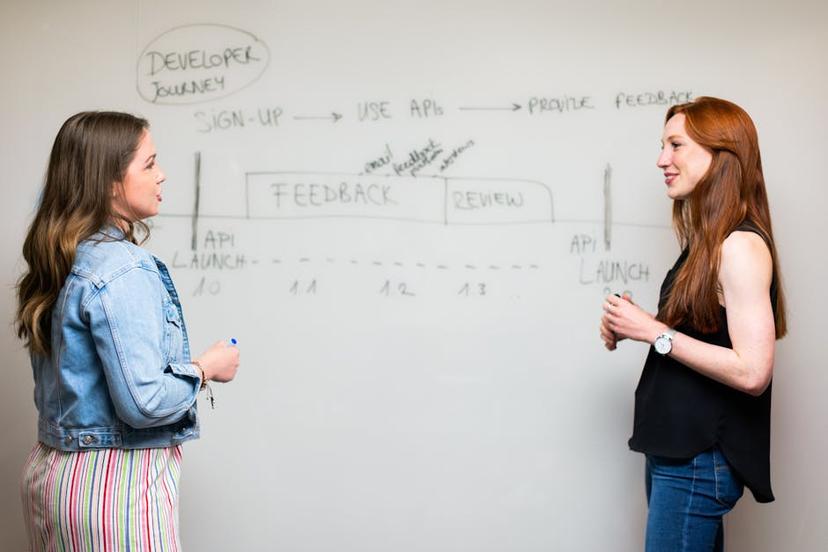
Getting feedback from others is like having a team of editors working with you! It's a chance to get fresh perspectives and insights that you might not have considered on your own. Imagine you're building a puzzle - you might see the picture on the box, but you need help finding the right pieces to fit together. Feedback is like having someone point out those missing pieces and help you put everything in the right place.
Don't be afraid of constructive criticism! It's not about being perfect, it's about learning and growing as a writer. Think of it like getting feedback on a sports practice - you wouldn't get upset if your coach pointed out areas where you could improve, right? You'd use that feedback to become a better player. The same goes for writing.
Here are some tips for giving and receiving feedback effectively:
- Focus on specific areas for improvement. Instead of saying "This essay is confusing," try saying "I found the transition between paragraphs 2 and 3 a bit jarring. Could you add a sentence to connect those ideas?"
- Offer helpful suggestions. Don't just point out problems, offer solutions. For example, instead of saying "This paragraph is too long," try saying "I think this paragraph could be more concise if you broke it down into two shorter paragraphs."
- Be respectful and constructive. Everyone makes mistakes, and feedback should be about helping someone improve, not tearing them down.
Feedback can help you identify areas where your essay might be unclear, confusing, or lacking in depth. For example, a peer might point out that you haven't provided enough evidence to support your argument, or a teacher might suggest that you develop your thesis statement more clearly. By taking feedback seriously and using it to make improvements, you can turn your essay into a truly impressive piece of writing.
It's one thing to know what to edit, but it's another to actually do it effectively. Think of it like learning a new sport – you need practice to get good at it. The more you edit, the better you'll become at identifying and fixing problems in your writing.
Here are some tips for developing your editing skills:
- Practice, practice, practice: The best way to improve your editing skills is to simply do it! Set aside time each week to edit your own work, or even the work of a friend. The more you practice, the more you'll start to notice patterns and common errors.
- Reflect on your mistakes: After you've edited a piece of writing, take a moment to reflect on what you learned. What errors did you make? How could you have avoided them? By reflecting on your mistakes, you can learn from them and avoid repeating them in the future.
- Get feedback from others: As we discussed earlier, getting feedback from others is a great way to identify areas where your writing could be improved. Ask a friend, family member, or teacher to read your work and provide constructive criticism.
- Use online grammar guides: There are tons of free online resources that can help you improve your grammar and writing style. Websites like Grammarly and Purdue OWL offer grammar checkers, style guides, and other helpful tools.
- Join a writing workshop or feedback group: These groups offer a supportive environment where you can share your work, get feedback from others, and learn from experienced writers. Check with your school or local library to see if they offer any writing workshops or groups.
Remember, editing takes time and effort, but it's worth it. Be patient with yourself and keep practicing, and you'll be amazed at how much your writing improves!
- Kyros.AI's Benchmark and Chancing module can help you analyze your academic and extracurricular strengths and determine your chances of admission to your target colleges. This can provide valuable insights into areas where you might need to focus your efforts.
- Kyros.AI's My Portfolio module allows you to record your school profile, including courses, extracurricular activities, and achievements. This can help you identify any gaps in your application and ensure that your essay effectively showcases your strengths.
- Kyros.AI's Roadmap Planning module can help you plan your course selection and extracurricular activities strategically. This can ensure that your essay reflects a well-rounded profile and a clear path towards your academic goals.
- Kyros.AI's Expert Guidance feature offers access to experienced counselors and educators who can provide personalized feedback on your essays. This can help you refine your writing and ensure that it meets the highest standards.
By leveraging the resources provided by Kyros.AI, you can streamline your essay editing process and create a compelling application that showcases your unique strengths and achievements.
This blog post has highlighted the crucial role of editing in transforming rough drafts into polished essays. We've explored the importance of proofreading for catching typos and grammatical errors, as well as the art of refining your content for clarity, conciseness, and flow. We've also emphasized the power of feedback in identifying areas for improvement and the importance of developing your editing skills through practice and reflection.
Editing is not a one-time task, but an ongoing process that requires practice and attention to detail. It's like learning any new skill – the more you practice, the better you become at it. By embracing editing as a valuable tool, you can improve your writing, achieve your academic goals, and become a more confident and effective communicator.
Ready to take your essay writing to the next level? Share your own editing tips in the comments below! You can also explore online resources like Grammarly and Purdue OWL for further guidance and support. Remember, the journey from rough draft to polished piece is a rewarding one, and with practice and dedication, you can master the art of essay editing.