Did you know that over \$2.7 billion in scholarships went unclaimed last year? That's a lot of money that could have helped students like you achieve their dreams! Scholarships are a fantastic way to offset the cost of college, lighten the financial burden on your family, and even open doors to opportunities you might not have considered otherwise.
This blog post is your roadmap to navigating the scholarship application process, from the initial application to the final submission. We'll break down each step, provide helpful tips, and offer real-world examples to make sure you're prepared to snag those scholarship dollars. Let's dive in!
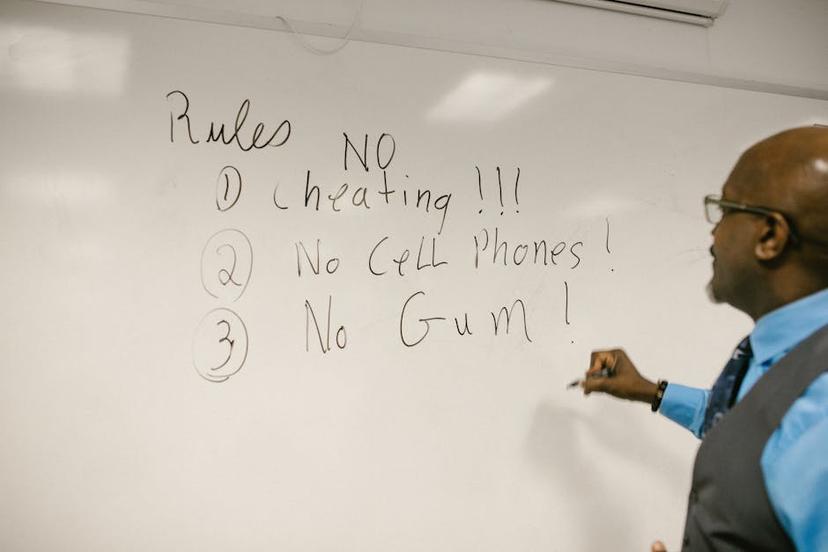
Before you even start filling out an application, it's crucial to read the scholarship guidelines carefully. Think of them as the "rules of the game" – you need to understand them to play effectively. Every scholarship has its own unique set of requirements, so don't assume they're all the same.
You'll encounter different types of requirements, including:
- Academic: This might include your GPA, class rank, standardized test scores (like the SAT or ACT), or specific coursework. For example, a scholarship for aspiring engineers might require a certain GPA in math and science courses. Kyros.AI's Benchmark and Chancing module can help you assess your academic strengths and weaknesses, and identify scholarships that align with your academic profile.
- Extracurricular: Scholarships often reward students who are involved in activities outside of the classroom. This could be anything from sports teams and clubs to volunteer work and leadership roles. Kyros.AI's Extracurriculars module provides a comprehensive database of summer programs, clubs, organizations, community service opportunities, competitions, and research and publication opportunities. This can help you identify extracurricular activities that align with your interests and enhance your scholarship applications.
- Financial Need: Some scholarships are specifically designed to help students from low-income families. You'll need to provide documentation of your family's financial situation to qualify. Kyros.AI's Scholarships and Cost module can help you search for scholarships that consider financial need and calculate the cost of attendance for different colleges.
- Essays: Many scholarships require you to write an essay explaining why you deserve the award. This is your chance to showcase your personality, goals, and experiences. Kyros.AI's Sample Profiles module provides examples of successful scholarship essays, allowing you to learn from the experiences of other students.
- Letters of Recommendation: These are written by teachers, counselors, or mentors who can speak to your character, skills, and potential. Kyros.AI's Recommendation Letters module offers sample recommendation letters and templates to guide you in requesting letters of recommendation.
Identifying key requirements and prioritizing them is essential. Think about your strengths and weaknesses. If you have a stellar GPA, focus on scholarships that emphasize academics. If you're a star athlete, look for scholarships that recognize athletic achievements.
Remember, meeting all the requirements is non-negotiable. If you don't meet the minimum criteria, your application won't even be considered. So, take the time to carefully read through the guidelines and make sure you're eligible before you invest your time and energy in an application.
Now that you understand the basic requirements, it's time to craft a winning application that truly showcases your potential. This is where your hard work and dedication really shine!
Think of your application as a story about you. It's your chance to tell the scholarship committee who you are, what you've accomplished, and why you deserve their support.
Here are some key components to focus on:
1. The Essay: This is often the most important part of your application. It's your opportunity to express your personality, goals, and passion in a compelling way.
- Start with a strong hook: Grab the reader's attention from the very first sentence. Maybe share a personal anecdote, a powerful quote, or a surprising fact related to your chosen field. For example, you could start with: "Growing up in a small town, I never imagined I'd be standing on a stage at the National Science Fair."
- Focus on your strengths and experiences: Highlight your academic achievements, extracurricular activities, volunteer work, and any other experiences that demonstrate your skills, dedication, and character. Don't be afraid to brag a little!
- Connect your experiences to your goals: Explain how your past experiences have shaped your future aspirations. What are you passionate about? What do you want to achieve in life? How will this scholarship help you reach your goals?
- Proofread carefully: Typos and grammatical errors can make a bad impression. Ask a teacher, counselor, or parent to proofread your essay before you submit it.
2. The Resume: Your resume is a snapshot of your accomplishments and skills. It should be clear, concise, and easy to read.
- Highlight relevant experiences: Focus on experiences that are related to the scholarship you're applying for. For example, if you're applying for a scholarship for aspiring doctors, highlight your volunteer work at a local hospital or your participation in a science club.
- Quantify your achievements: Whenever possible, use numbers to demonstrate the impact of your work. For example, instead of saying "I volunteered at the animal shelter," say "I volunteered at the animal shelter for 20 hours a week, helping to care for over 100 animals."
- Use action verbs: Start each bullet point with an action verb that highlights your skills and accomplishments. For example, instead of saying "I worked at a local coffee shop," say "I provided excellent customer service and managed cash transactions at a local coffee shop." Kyros.AI's My Portfolio module can help you organize your academic and extracurricular activities, and automatically generate a resume.
3. Letters of Recommendation: These are written by individuals who know you well and can speak to your character, skills, and potential.
- Choose recommenders wisely: Ask teachers, counselors, or mentors who have seen you at your best and can provide specific examples of your abilities.
- Give them plenty of time: Don't wait until the last minute to ask for letters of recommendation. Give your recommenders at least two weeks to write their letters.
- Provide them with information: Give your recommenders a copy of your resume, the scholarship application, and any other relevant information that will help them write a strong letter.
By taking the time to craft a strong application, you'll increase your chances of standing out from the crowd and winning the scholarship you deserve. Remember, your application is your chance to shine!
Now that you've put together a stellar application, it's time to focus on the final step: submission! Missing deadlines is a common mistake, so make sure you're organized and on top of things.
Here's how to stay on track:
- Create a calendar or use a digital planner: Mark down all important deadlines, including application submission dates, essay drafts, recommendation requests, and any follow-up actions. Kyros.AI's Roadmap Planning module can help you track deadlines and organize your scholarship application process.
- Set reminders: Use your phone, email, or a reminder app to alert you about upcoming deadlines. Don't rely on your memory alone!
- Double-check the application instructions: Each scholarship has its own specific submission guidelines. Make sure you understand how to submit your application (online, by mail, etc.) and what format they require (PDF, Word document, etc.).
For example, some scholarships may require you to submit your application through a specific online portal, while others may allow you to email it directly. Pay close attention to these details!
Before you hit the "submit" button, take one last look:
- Proofread everything carefully: Make sure there are no typos, grammatical errors, or formatting issues.
- Double-check all information: Review your contact details, application answers, essay content, and any supporting documents to ensure accuracy.
- Submit on time: Don't wait until the last minute! Give yourself plenty of time to submit your application and avoid any technical issues.
By following these tips, you'll ensure that your hard work doesn't go to waste. Submitting a well-prepared application on time shows the scholarship committee that you're responsible, organized, and serious about your goals. Good luck!
Now that you understand the basics of scholarship applications, let's dive into some extra tips to help you stand out from the crowd and maximize your chances of success.
1. Target Your Search: Don't just apply for any scholarship you come across. Instead, research scholarships that align with your interests, goals, and academic strengths. For example, if you're passionate about environmental science, look for scholarships specifically for students pursuing that field. If you're a talented musician, search for scholarships that recognize musical talent. Kyros.AI's Colleges module can help you search for colleges and scholarships based on your interests and academic profile.
2. Leverage Scholarship Search Engines: There are tons of websites and search engines dedicated to helping students find scholarships. Some popular options include Scholarship America, Fastweb, and the College Board. These resources can help you narrow down your search and find scholarships that match your criteria.
3. Network and Seek Guidance: Don't be afraid to reach out to people who can offer guidance and support. Talk to your teachers, counselors, and mentors about scholarships they know of. Attend college fairs and career events to connect with representatives from different organizations that offer scholarships. Networking can open doors to opportunities you might not have known about otherwise. Kyros.AI's Educator Network provides access to a network of educators who can offer guidance and support on your scholarship journey.
4. Manage Stress and Stay Motivated: The scholarship application process can be stressful, especially if you're applying for multiple scholarships. It's important to manage your stress levels and stay motivated. Set realistic goals, break down large tasks into smaller steps, and reward yourself for your progress. Don't be afraid to ask for help from your family, friends, or teachers if you're feeling overwhelmed.
Remember, the scholarship application process is a marathon, not a sprint. By taking the time to research, prepare, and network, you'll increase your chances of securing the financial support you need to achieve your dreams. Good luck!
This blog post has provided you with a comprehensive guide to navigating the scholarship application process. From understanding the requirements to crafting a winning application and meeting deadlines, we've covered all the essential steps to help you secure those scholarship dollars.
Remember, completing scholarship requirements thoroughly and on time is crucial. It demonstrates your commitment to your goals and your ability to follow instructions. Don't rush through the process or cut corners. Take the time to do it right, and you'll be rewarded for your efforts.
The scholarship journey might not always be easy, but it's definitely worth it. Don't give up on your dreams! Be persistent, stay organized, and keep applying for scholarships that align with your interests and goals. The more you apply, the higher your chances of success.
Now that you've learned the ropes, it's time to take action! Start researching scholarships, crafting your application, and reaching out to potential recommenders. With dedication and hard work, you can achieve your financial goals and unlock a brighter future. Good luck!