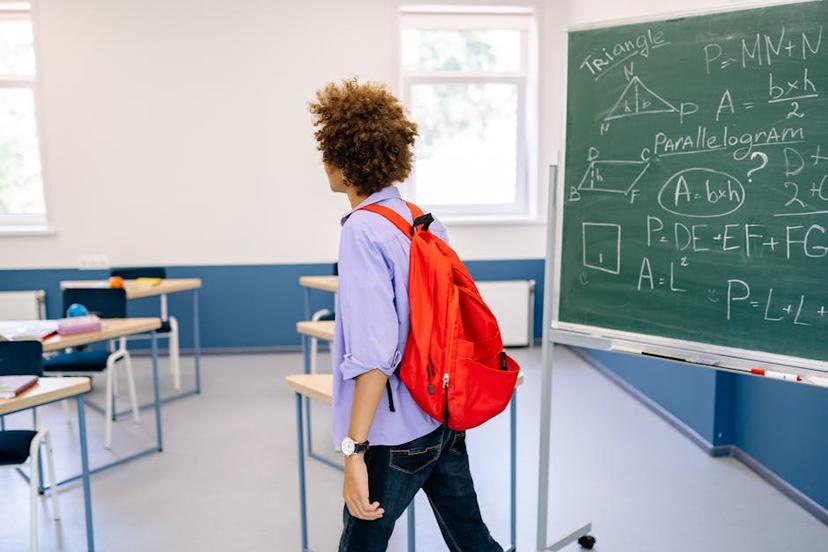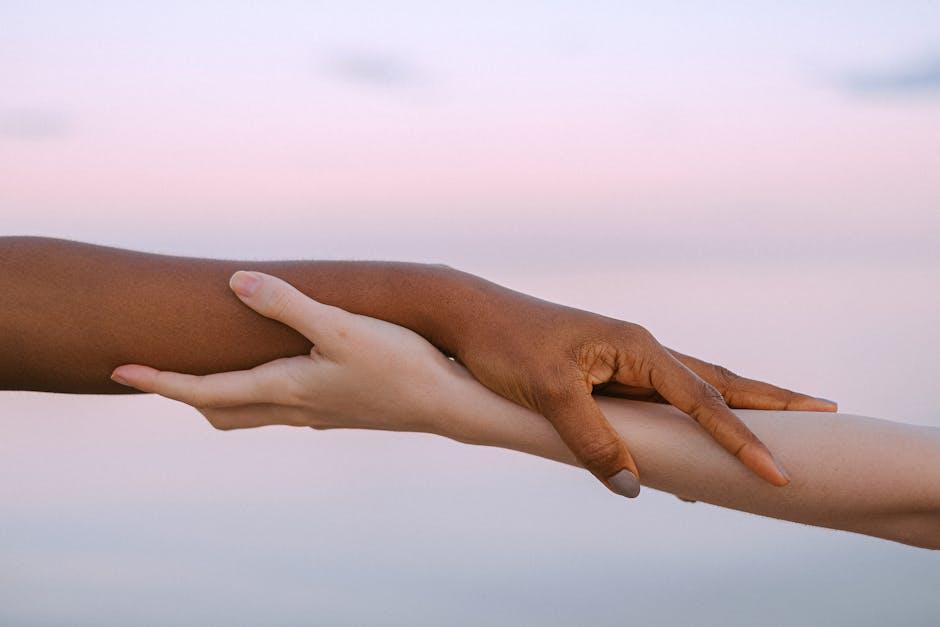
Have you ever felt like you didn't quite fit in? Maybe you're the only one in your class who loves to play chess, or maybe you're the only one who celebrates a certain holiday. We all have unique experiences and perspectives that make us who we are. This is what diversity is all about!
Diversity isn't just about the color of someone's skin or the language they speak. It encompasses a wide range of differences, including our backgrounds, beliefs, abilities, and even our favorite hobbies. Think about your own classmates: you have friends who are athletes, artists, musicians, gamers, and maybe even some who are passionate about coding or environmental activism. Each of these interests and talents adds to the richness and complexity of our school community.
Embracing diversity isn't just about being nice to everyone. It's about recognizing the value in each individual's unique perspective and understanding how their experiences shape their views. When we embrace diversity, we create a more inclusive and welcoming environment where everyone feels valued and respected. This not only makes our school a better place to learn and grow, but it also prepares us to be better citizens in a world that is becoming increasingly interconnected.
Imagine a world where everyone thinks the same way, has the same interests, and comes from the same background. That would be a pretty boring place, wouldn't it? Diversity is what makes our lives interesting and exciting! It's like having a giant buffet of different flavors and experiences to choose from.
Think about your favorite subject in school. Maybe it's history, or maybe it's art. Now imagine learning about that subject from someone who has a completely different perspective. A history teacher who grew up in a different country might have a unique understanding of historical events. An art teacher who is deaf might have a different way of seeing and interpreting art. These different perspectives can challenge our own assumptions and open our minds to new ways of thinking.
Diversity also fuels creativity and innovation. When people from different backgrounds come together, they bring their unique skills and ideas to the table. This can lead to breakthroughs in science, technology, and the arts. Think about how diverse teams of engineers and designers have created amazing inventions like smartphones and self-driving cars. Diversity is the key to solving complex problems and building a better future.
Finally, appreciating the unique contributions of each individual is essential. Everyone has something special to offer, whether it's their talent, their knowledge, or their life experiences. By recognizing and valuing these contributions, we create a more inclusive and equitable society where everyone has the opportunity to thrive. So, the next time you meet someone who is different from you, take the time to learn about their story and appreciate their unique perspective. You might be surprised by what you discover!
Let's be honest, sometimes it's hard to embrace diversity. We all have our own biases and assumptions, and it's easy to fall into the trap of judging others based on our own limited experiences. This can lead to prejudice, discrimination, and unconscious bias, which can create a hostile environment for those who are different from us.
- Prejudice is a preconceived opinion about a person or group of people, often based on stereotypes or misinformation. For example, you might hear someone say, "All athletes are dumb," or "All gamers are lazy." These are generalizations that are simply not true. Everyone is an individual, and we should treat each other with respect.
- Discrimination is the act of treating someone unfairly based on their race, religion, gender, sexual orientation, or other protected characteristics. This can take many forms, from subtle microaggressions to overt acts of violence. For example, a student might be excluded from a group project because of their race or religion, or they might be subjected to hurtful jokes or insults.
- Unconscious bias is a form of prejudice that we are not even aware of. It's like a mental shortcut that our brains use to make quick judgments about people. For example, you might unconsciously associate certain traits with certain groups of people, even if you don't believe those stereotypes are true. It's important to be aware of our unconscious biases and challenge them whenever possible.
So, how can we overcome these barriers to diversity? Here are a few things we can do:
- Promote empathy: Try to see things from other people's perspectives. Ask yourself, "What would it be like to walk in their shoes?" This can help you understand their experiences and appreciate their unique viewpoints.
- Practice active listening: When someone is sharing their experiences, listen attentively and try to understand their perspective. Avoid interrupting or trying to change the subject. Instead, ask clarifying questions and show that you are genuinely interested in what they have to say.
- Be open-minded: Be willing to challenge your own biases and assumptions. When you encounter someone who is different from you, try to learn something new from them. You might be surprised by what you discover!
Remember, embracing diversity is a journey, not a destination. It's a continuous process of learning, growing, and challenging ourselves to become more inclusive and understanding. By working together, we can create a school community where everyone feels welcome, respected, and valued.
Creating a school environment where everyone feels respected and understood is crucial. It's like building a team where everyone plays their part and feels valued. Here are some ways we can make our school a more inclusive place:
- Speak Up for Inclusivity: What we say matters! Using inclusive language is a simple yet powerful way to show respect. For example, instead of saying "guys" to refer to a group of people, use "everyone" or "folks." Avoid making assumptions about someone's identity or background. Remember, everyone deserves to be treated with dignity and respect.
- Celebrate Our Differences: Think about the different clubs and activities at our school. They reflect the diverse interests and talents of our student body. Let's celebrate these differences! Maybe we can have a "Cultural Day" where students share their traditions, food, and music. Or, we can organize a "Diversity Fair" where different groups can showcase their unique perspectives and experiences.
- Connect Across Cultures: Sometimes, the best way to understand someone is to simply talk to them! Our school can create opportunities for cross-cultural interaction. For example, we could have a "Buddy System" where students from different backgrounds are paired up to learn about each other's cultures and perspectives. We can also organize workshops or discussions on topics related to diversity and inclusion.
- Learn from Success Stories: There are many schools and organizations that are doing amazing things to promote diversity and inclusion. Let's learn from their examples! Maybe we can research initiatives like "affinity groups" where students with shared identities can connect and support each other. Or, we can explore programs that focus on cultural competency and anti-bias training. By learning from others, we can build a stronger and more inclusive school community.
Remember, building a culture of respect and understanding is a team effort. We all have a role to play in creating a school where everyone feels welcome and valued. Let's work together to make our school a place where diversity is celebrated and embraced!
Education is key to fostering understanding and respect for diversity. By learning about different cultures, perspectives, and experiences, we can break down stereotypes and challenge our own biases. Imagine learning about a historical event from the perspective of someone who lived through it, or exploring a scientific concept through the lens of a scientist from a different country. These diverse viewpoints can enrich our understanding and open our minds to new possibilities.
But education isn't enough. We need to become advocates for diversity and inclusion, both in our personal lives and in our communities. This means speaking up against prejudice and discrimination, challenging stereotypes, and creating a welcoming environment for everyone. Think about how you can use your voice to promote understanding and respect. Maybe you can start a conversation with a classmate who is different from you, or join a club that focuses on social justice issues. Even small actions can make a big difference.
There are many ways to get involved in promoting diversity. You can volunteer at a local organization that supports diverse communities, participate in events that celebrate cultural differences, or support organizations that champion diversity and inclusion. Don't underestimate the power of your voice and your actions! By taking a stand for diversity, you can help create a more just and equitable world for everyone.
This blog post has highlighted the importance of embracing diversity in all its forms. We've explored how diversity enriches our lives, fuels creativity, and makes our communities stronger. We've also acknowledged the challenges we face in overcoming prejudice, discrimination, and unconscious bias.
It's time to move beyond simply tolerating diversity and actively embrace it. You can start by promoting empathy, practicing active listening, and being open-minded in your interactions with others.
Remember, embracing diversity is a journey, not a destination. It requires ongoing effort and commitment. By working together, we can create a world where everyone feels valued, respected, and empowered to contribute their unique talents and perspectives.
The future is bright when we embrace diversity. Let's work together to build a more inclusive and equitable world for all.