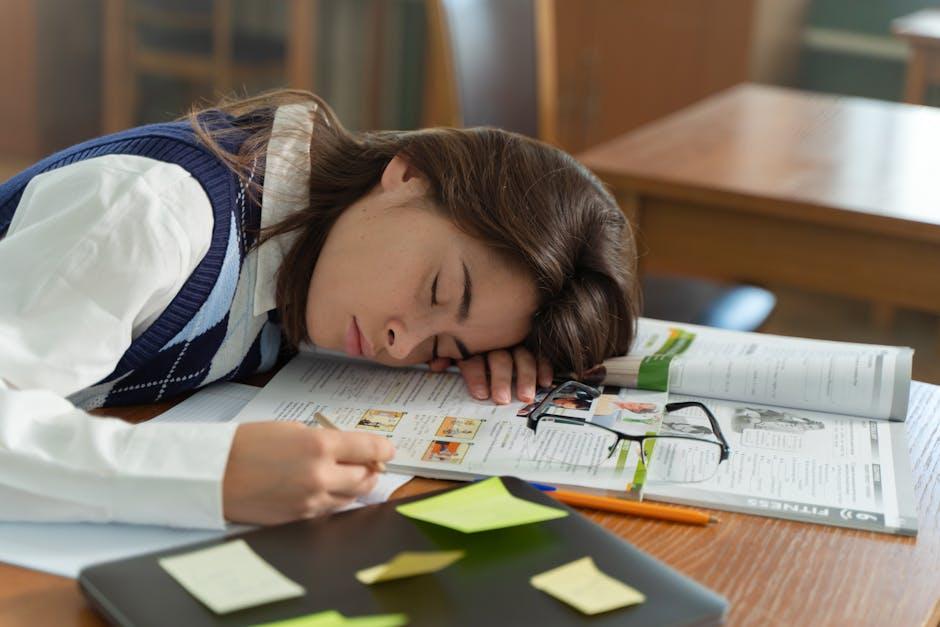
You've studied hard, you know the material, but when you sit down for the test, your heart starts racing, your palms sweat, and your mind goes blank. Sound familiar? You're not alone! Test anxiety is a common problem that can affect students of all ages. It can lead to poor performance on exams, even if you know the material well.
This blog post will explore effective relaxation techniques to help you conquer test anxiety and perform your best. We'll cover techniques you can practice before, during, and even after your exam to help you stay calm and focused. Get ready to learn how to turn those pre-test jitters into a powerful force for success!
Test anxiety is basically your brain's way of freaking out when you feel pressure to do well. It's like that feeling you get before a big game or a presentation – your body goes into overdrive! You might feel your heart pounding, your palms getting sweaty, and your stomach doing flips. Mentally, you might feel your thoughts racing, making it hard to focus on the task at hand.
Think about it like this: imagine you're about to give a speech in front of your whole class. You might feel your heart beating faster, your hands shaking, and your mind going blank for a second. That's test anxiety in action! It's completely normal to feel nervous in these situations, but it's important to remember that you can learn to manage it. We'll explore some strategies to help you calm those nerves and perform your best.
Feeling overwhelmed by test anxiety? Don't worry, you're not alone! There are some simple but powerful techniques you can use to calm your nerves and boost your confidence.
- Deep Breathing: It might sound too basic, but deep breathing is a super effective way to chill out your body and mind. When you're stressed, your breathing gets shallow and fast. Deep breaths help slow your heart rate and relax your muscles. Here's how to do it:
- Sit or stand comfortably.
- Close your eyes if it helps you focus.
- Inhale slowly through your nose, counting to four.
- Hold your breath for a count of four.
- Exhale slowly through your mouth, counting to four.
- Repeat this cycle for a few minutes.
- Progressive Muscle Relaxation: This technique is like a mini-vacation for your muscles! You start by tensing and then releasing different muscle groups in your body. It's a great way to release physical tension and calm your nerves. Here's how to try it:
- Sit or lie down in a comfortable position.
- Start with your toes, tensing them as tightly as you can for a few seconds.
- Then, let go and relax your toes.
- Move up to your feet, calves, thighs, and so on, tensing and releasing each muscle group.
- Don't forget your face, shoulders, and neck!
- Visualization: This technique is like a mental movie for your brain. Imagine yourself walking into the exam room, feeling calm and confident. Picture yourself reading the questions, understanding the material, and answering them clearly. The more you visualize success, the more likely you are to achieve it!
- Meditation: Meditation is all about focusing on the present moment and letting go of distracting thoughts. It's a great way to quiet your mind and reduce overthinking. You can try a simple meditation by sitting comfortably, closing your eyes, and focusing on your breath. Notice the rise and fall of your chest as you breathe in and out. If your mind wanders, gently bring it back to your breath.
These relaxation techniques can be practiced before, during, or even after your exam. Find what works best for you and make it a regular part of your test prep routine. You'll be surprised how much calmer and more confident you'll feel!
In addition to relaxation techniques, there are other things you can do to prepare for your exams and reduce anxiety. Here are some key tips:
- Prepare Thoroughly: Knowing the material inside and out is the best way to combat test anxiety. It builds confidence and reduces the fear of the unknown. Make sure you understand the concepts, review your notes, and practice solving problems or answering sample questions. The more prepared you are, the less anxious you'll feel. For example, if you're taking a history test, make sure you've reviewed your notes on key events, dates, and figures. If you're taking a math test, practice solving similar problems from your textbook or online resources. Kyros.AI's "Courses" and "Tests" modules can be helpful resources for reviewing material and practicing problems.
- Get Enough Sleep: Sleep is like a magic potion for your brain! When you're well-rested, you can think more clearly, remember information better, and handle stress more effectively. Aim for 7-8 hours of sleep the night before your exam. Avoid cramming all night, as it can actually make you more tired and anxious.
- Eat a Healthy Meal: Fuel your brain with nutritious foods! Avoid sugary snacks or heavy meals before an exam, as they can cause energy crashes and make you feel sluggish. Opt for a balanced meal that includes protein, carbohydrates, and healthy fats. For example, a breakfast of oatmeal with berries and nuts or a lunch of a turkey sandwich on whole-grain bread can provide sustained energy.
- Arrive Early: Rushing into an exam can increase your anxiety levels. Give yourself plenty of time to get to the testing location, find your seat, and settle in. This will allow you to relax and focus before the exam begins. If you're taking a test in your classroom, try arriving a few minutes early to get settled and avoid the last-minute rush.
- Positive Self-Talk: Replace negative thoughts with encouraging affirmations. Instead of thinking, "I'm going to fail this test," tell yourself, "I've studied hard and I'm prepared. I can do this!" Positive self-talk can boost your confidence and help you stay calm under pressure. For example, if you find yourself getting nervous, remind yourself of your strengths and past successes. You've got this!
Remember, Kyros.AI offers a variety of resources to help you prepare for your exams, including personalized recommendations, practice tests, and expert guidance. Utilize these resources to feel more confident and prepared for your exams.
By incorporating these techniques and resources into your exam preparation, you can reduce stress, improve focus, and perform your best. Don't forget to use the other helpful tips we discussed, like preparing thoroughly, getting enough sleep, eating a healthy meal, arriving early, and using positive self-talk. These strategies will help you feel more confident and prepared for your exams, turning those pre-test jitters into a powerful force for success!